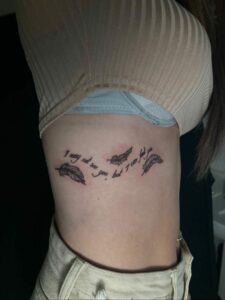
What to do when your Tattoo Scabs? If your tattoo scabs, avoid picking at it and keep the area clean and moisturized with a small amount of aftercare cream. This balance aids natural healing while caring for the inked skin. Remember, it’s all about maintaining cleanliness, hydrating with the right lotion, and avoiding any actions that could disrupt the healing process.
When you’ve just gotten a new tattoo, it’s like a fresh canvas of self-expression inked onto your skin. But what happens when that masterpiece starts to scab? It’s a natural part of the healing process, yet it can be a bit unsettling, especially if it’s your first time. I’m here to guide you through the do’s and don’ts so your tattoo heals flawlessly.
Scabbing can be a sign that your body’s doing exactly what it should be—repairing itself. But if you’re staring at your tattoo and wondering how to navigate the scabbing stage, you’re in the right place. I’ll share insights into why scabbing occurs and how to manage it effectively, ensuring that your tattoo remains vibrant and infection-free. Keep reading, as I unravel the mystery behind tattoo scabbing and help you maintain the beauty of your ink.
Why Does Tattoo Scabbing Occur?
When I’m working at Liverpool Tattoos, I often explain to my clients that tattoo scabbing is a completely natural response to what is essentially a form of skin trauma. The process involves piercing the skin with needles and depositing ink, which results in an injury that your body needs to heal. Scabbing is part of this healing process – it’s your skin’s way of protecting the wound against infection while new skin regenerates underneath.
Scabbing typically starts a few days after the tattoo session. It happens because your immune system reacts to the tattoo as a wound and starts the healing process. Platelets in your blood clot together to form a scab, which covers the tattoo and prevents bacteria from entering. This is crucial for preventing infections during the delicate stages of healing.
The thickness and amount of scabbing can vary depending on several factors:
- Size and Location: Larger tattoos or those in areas where the skin moves frequently may scab more.
- Ink Volume: Heavily shaded areas or tattoos with solid color might scab more due to the larger amount of ink that’s been used.
- Skin Type: Each person’s skin type is different, and some may experience more scabbing than others as a natural response.
It’s important for clients to know that while scabbing is expected, extreme scabbing requires attention. If you notice scabs that are overly thick or painful, it’s wise to consult a healthcare professional. As a rule of thumb, the scabs shouldn’t be as thick as the tattoo ink itself. If they are, it might be a sign that the area is not healing correctly, potentially due to overly deep needle penetration or improper aftercare.
Remember, aftercare is key to a healthy healing process. Reputable aftercare creams, which keep the skin moisturized, can significantly aid in managing any scabbing and aid in healing. It’s critical to follow an appropriate aftercare regimen to reduce the risk of infection or damage to the tattoo, ensuring that your artwork heals optimally.
Understanding the Scabbing Stage of a Tattoo
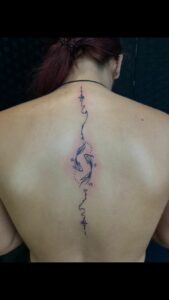
As a tattoo artist at Liverpool Tattoos, I’ve seen my fair share of healing ink and I’m often asked about the scabbing stage. Let’s shed some light on this crucial part of the tattoo healing process. Scabbing is your body’s natural defence mechanism at work. After getting a tattoo, your immune system identifies the area as a wound and forms scabs to protect against infections while the skin underneath rebuilds itself.
During my years of experience, I’ve noticed that the amount and thickness of scabbing can certainly vary. It’s largely influenced by the tattoo’s size, location, the amount of ink used, and your individual skin type. Some of you might experience a light, flaky layer, while others may develop thicker scabs.
Are Thick Scabs a Concern?
Thick scabs might look alarming, but they’re often just part of the body’s process to heal a larger or more detailed tattoo. Heavy scabs, however, can increase the healing time. That’s why following aftercare advice is key to minimizing the risk of complications. Thick scabs can potentially lead to infection if not cared for properly.
The Role of Tattoo Aftercare
It can’t be stressed enough that aftercare is paramount. Keep your tattoo clean to promote healing. Using sterile products like WIPE OUTZ during the cleaning process can be a beneficial step. These aids keep scabbing under control and prevent it from becoming heavier, which in turn, helps avoid infection.
Bear in mind that every tattoo, no matter its size, undergoes scabbing. It’s a sign that your body is healing just as it should be. The scabbing stage is when those vibrant inks are protected as they settle into your skin, preserving the art you’ve bravely acquired. Remember, a tattoo isn’t just a decorative piece—it’s an open wound that requires care and attention to heal beautifully and safely within your skin.
Dos and Don’ts for Managing Tattoo Scabbing
Managing tattoo scabbing is critical to achieving a vibrant and healthy piece of body art. I’ve got years of tattooing under my belt here at Liverpool Tattoos, and I’ve witnessed the impact of good aftercare firsthand. The key is to strike a balance maintaining a clean environment while allowing natural healing to take place.
Do Keep the Tattoo Clean and Dry
First and foremost, keeping your tattoo clean cannot be overstated. Each day, I recommend gently washing the tattoo with a mild, fragrance-free soap and patting it dry with a clean paper towel. This helps to ward off any potential infections and keeps the healing process on the right track.
Don’t Pick at the Scabs
It’s tempting, but picking at scabs will only set you back. When a tattoo scabs, it’s part of the healing journey. Picking can cause scarring and even pull ink from your tattoo, resulting in patchy areas. It’s vital to let scabs heal naturally. If they’re itchy, apply a dab of the recommended aftercare cream to soothe them.
Do Apply the Recommended Ointment or Lotion
Application of a thin layer of the suggested aftercare lotion can work wonders. It shouldn’t be overdone—just enough to keep the skin supple and protected. Applying lotion several times a day helps to keep the freshly inked skin moist and aids in the regeneration process.
Don’t Submerge Your Tattoo
Avoid swimming pools, hot tubs, or long baths during the healing phase. It’s not that I don’t understand the allure, but submerging fresh ink can expose you to bacteria and cause unnecessary complications.
By following these tips, your tattoo should heal as expected. Remember, everyone’s skin is different; however, well-executed aftercare usually ensures a smooth recovery with no loss of ink or change to the final artwork. Keep up with the routine and watch as your tattoo develops into the stunning work of art it’s meant to be.
How to Care for Your Tattoo During the Scabbing Stage
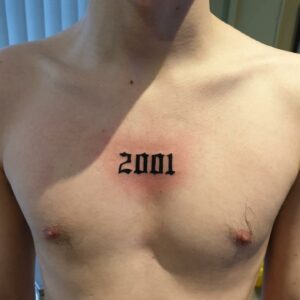
When the tattoo I’ve crafted for you begins to scab, it’s a sign that your body is doing exactly what it should to heal the skin. At Liverpool Tattoos, I often advise clients that proper aftercare is crucial during this stage. Here’s what you should know to navigate through the scabbing phase smoothly.
Keep It Clean and Dry
First and foremost, cleanliness is paramount. A freshly inked masterpiece is essentially an open wound, and protecting it from bacteria is key. I suggest washing the tattoo gently with an antibacterial wash twice a day. Pat the tattoo dry with a clean paper towel after washing. Remember, it’s not just about keeping the tattoo clean, but also dry to prevent any unwanted infections that could harm your tattoo’s integrity.
Aftercare Products Matter
Upon leaving my studio, I’ll ensure you’re equipped with aftercare instructions and recommend a top-notch aftercare cream. The art I’ve instilled on your skin needs to heal, and the cream assists in keeping the scab supple, which helps reduce cracking and bleeding. Apply a thin layer as directed – it’s not about slathering it on thick but about creating a conducive environment for healing.
Wear Appropriate Clothing
Friction can be the bane of a new tattoo. Wearing loose clothing made of soft, breathable fabric will cut down on irritation and let your tattoo breathe. If your tattoo is in a spot that’s prone to rubbing, such as your foot or wrist, take extra care to avoid snug shoes and accessories.
Resist the Itch
The itchy phase can be one of the most challenging. This sensation is a typical part of the healing process. Scratching can lead to fading or loss of ink, so I advise tapping gently around the tattoo or using a bit of aftercare lotion to soothe the discomfort. Trust me, your patience will be rewarded when you see your tattoo healed with vibrant colours and sharp lines.
As an artist at Liverpool Tattoos, I’m here to help guide you through this journey. The scabbing of your tattoo isn’t just a phase to endure; it’s the natural path to the stunning art that you’ll proudly wear for life. Just treat your tattoo with care, and it’ll treat you to years of enjoyment.
Preventing Infection and Promoting Proper Healing
During my years as a tattoo artist here at Liverpool Tattoos, I’ve seen firsthand how vital it is to prevent infections during the scabbing phase of a tattoo’s healing process. It’s crucial that you follow a meticulous aftercare routine. Start by keeping the tattoo clean. I advise my clients to wash their tattoo gently with warm water and a mild, unscented soap. Be sure to rinse well and pat the area dry with a clean paper towel. This avoids introducing any new bacteria to the area.
The next step is to apply a thin layer of ointment or lotion. But remember, less is more here; if you overdo it, you might trap bacteria and impede the skin’s ability to breathe. This can be as detrimental as leaving the tattoo too dry. My recommendation is to look for products designed specifically for tattoo aftercare to maintain that balance between moisture and breathability.
It’s also important to protect your tattoo from the elements. Direct sunlight and extreme temperatures can be very damaging, slowing down healing and increasing the risk of infection. So, while I know it’s tempting to show off your new ink, it’s essential for those first few weeks to keep it covered up when you’re outdoors.
To further reduce the risk of infection and promote healing, here are some additional pointers:
- Resist scratching or picking at scabs, as this can cause damage and lead to infection.
- Wear loose clothing to minimize friction.
- Monitor your tattoo for signs of infection, like redness, swelling, or discharge, and seek medical attention if they occur.
By diligently following these steps and listening to your body, you’ll contribute greatly to the successful healing of your tattoo. Remember, each tattoo is a piece of art, and your skin is the canvas. Taking proper care during the healing process ensures that your art remains vibrant and beautiful for years to come.
Navigating the scabbing phase of your new tattoo is crucial for its longevity and vibrancy. I’ve shared my insights on how to care for your ink during this delicate time. Remember, it’s all about maintaining cleanliness, hydrating with the right lotion, and avoiding any actions that could disrupt the healing process. By following these guidelines, you’re setting yourself up for a stunning tattoo that you’ll be proud to show off. Trust me, a little patience and diligence now will pay off when you see your fully healed masterpiece. Keep up with the aftercare, and soon you’ll be admiring the end result of your well-looked-after tattoo.
Frequently Asked Questions
Do tattoos fade after scabbing?
Yes, it is natural for tattoos to appear faded and duller after scabbing, which happens between two to four weeks post-procedure. This change in appearance is normal during the healing process.
Should I moisturize a scabbing tattoo?
You should keep a scabbing tattoo moisturized to prevent cracking and possible infection. After patting the tattoo dry, apply a thin layer of the recommended aftercare lotion to keep the scab supple.
Do I still wash my tattoo when it’s peeling?
Indeed, continue washing your tattoo during the peeling phase using lukewarm water and mild, unscented soap. This helps to prevent infection and supports the healing process.
How do I know my tattoo is healing properly?
A properly healing tattoo will show reduced itching and redness after a month, though the skin beneath can take up to six months to fully heal. Maintaining your aftercare routine during this time is vital.
What should I do if my tattoo starts to scab?
If your tattoo scabs, avoid picking at it and keep the area clean and moisturized with a small amount of aftercare cream. This balance aids natural healing while caring for the inked skin.