
Trash Polka Tattoos Liverpool

Welcome to Liverpool Tattoos, where we specialize in exceptional Trash Polka Tattoos. Our skilled artists are committed to creating amazing designs that tell your story. Trash Polka Tattoos are a timeless art form, and we’re proud to be leaders in this field.
Whether it’s your first tattoo or you’re a regular in the chair, we’ll guide you through the process of creating a unique piece that captures your vision.
At Liverpool Tattoos, we’re known for the bold and innovative designs of our Trash Polka Tattoos. But there’s more in store for tattoo enthusiasts. If lifelike imagery intrigues you, don’t miss our Tattoo Portraits. For those who love eloquent words in stylish fonts, our Script Tattoos are a great choice. And if you’re into a blend of classic and modern styles, check out our Neo Traditional Tattoos. Liverpool Tattoos has something for everyone, no matter your taste.

What are Trash Polka Tattoos?
Key Takeaway:
- Trash Polka Tattoos are a unique tattoo style that stands out: With its bold, contrasting colors and distinctive elements, Trash Polka Tattoos offer a visually striking and unconventional approach to body art.
- The vibrant colors are an important aspect of Trash Polka Tattoos: The use of vibrant colors adds depth and intensity to the tattoo, making it visually captivating and eye-catching.
- The contrasting use of black and reds in Trash Polka Tattoos creates a powerful visual impact: The stark contrast between the black and red elements in Trash Polka Tattoos adds drama and highlights the intricate details of the design.
Introduction
Text: Trash Polka Tattoos – A Unique Tattoo Style That Stands Out
When it comes to the world of tattoos, there are endless styles and designs to choose from. However, there is one style that truly stands out from the rest – Trash Polka Tattoos. These tattoos make a bold statement with their distinct black and red color palette, combined with chaotic and abstract elements. In this section, we will explore the captivating world of Trash Polka Tattoos and discover what makes this style so unique and eye-catching. Get ready to dive into the realm of unconventional tattoo artistry that pushes boundaries and leaves a lasting impression.
Variation of the main title: Trash Polka Tattoos – A Unique Tattoo Style That Stands Out
Trash Polka Tattoos are a distinctive type of tattoo art that truly stands out. These tattoos have gained popularity for their unique style and boldness. The combination of vibrant colors and the use of black and red create a striking contrast in Trash Polka Tattoos. Additionally, these tattoos are known for their placement versatility, allowing individuals to choose the best location for their desired design.
Trash Polka Tattoos hold significant meaning for those who wear them, making each tattoo a personal and meaningful expression of identity. If you’re interested in getting your own Trash Polka Tattoo, contact the experts at Liverpool Tattoos. Their expertise in this unique tattoo style will ensure a top-notch experience from start to finish. Don’t miss out on the opportunity to embrace this one-of-a-kind artistic expression and schedule your appointment today at Liverpool Tattoos.
Trash Polka Tattoos: The rebellious lovechild of art and ink.
What are Trash Polka Tattoos?
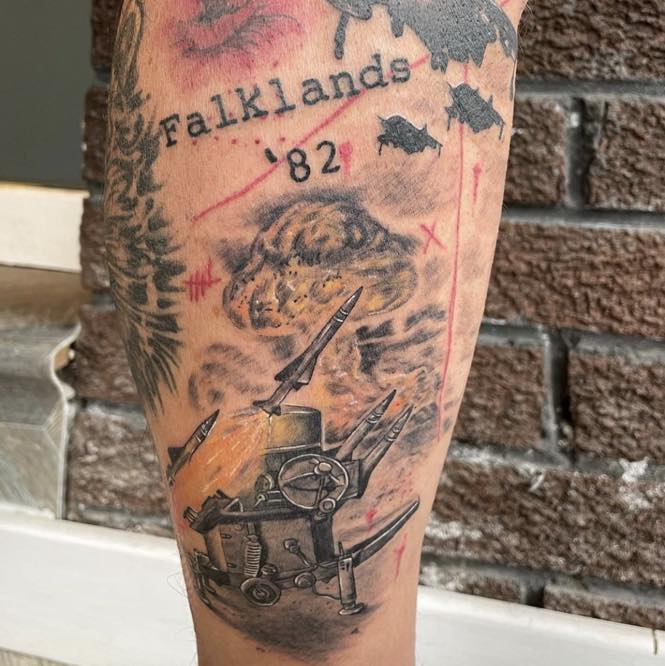
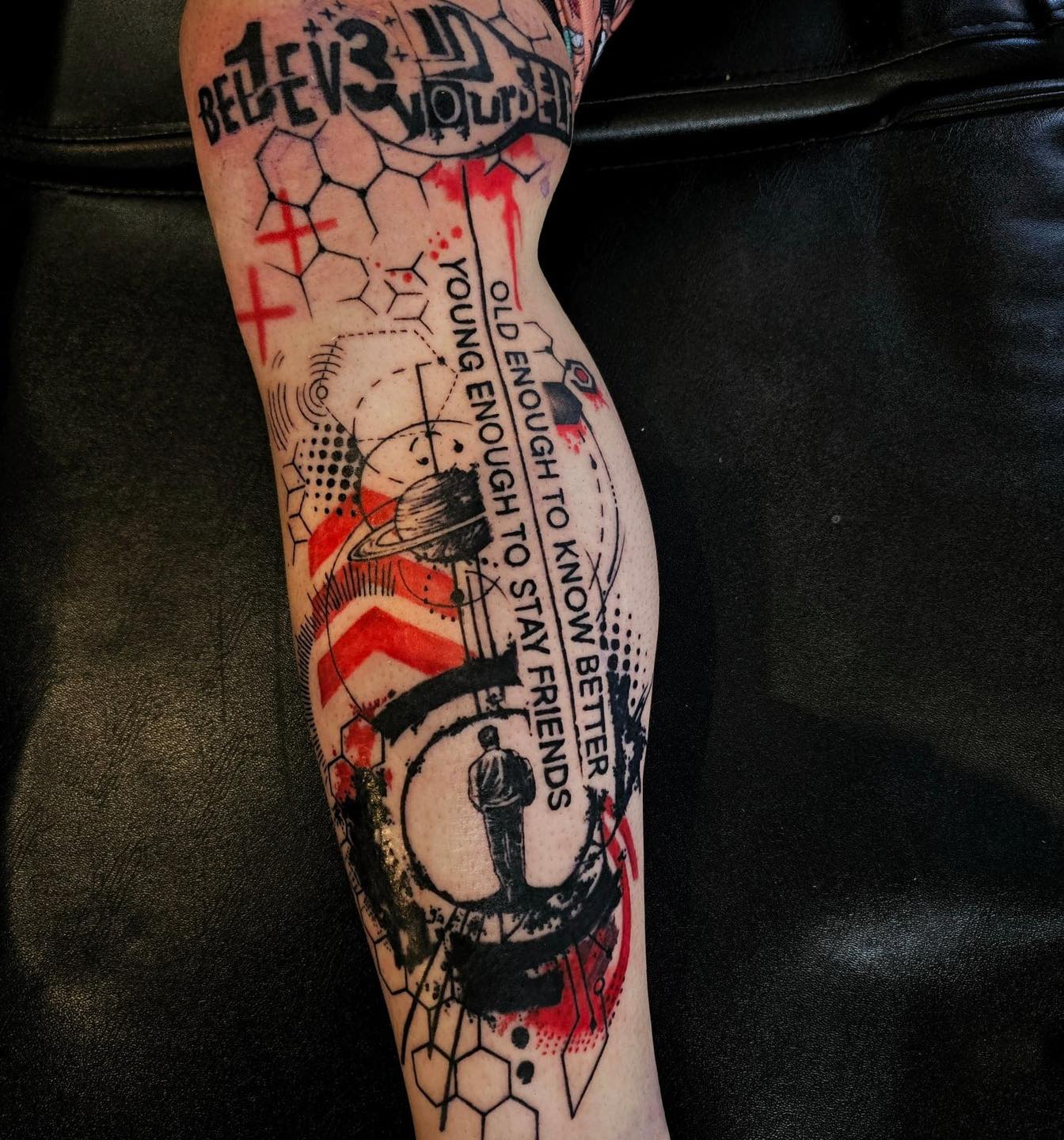
When it comes to tattoos, Trash Polka is a style that stands out from the rest. It’s edgy, bold, and full of artistic expression. Trash Polka tattoos bring together a fusion of collage-like elements, including realistic images, abstract designs, and typography. These designs are characterized by their black and red color palette, creating a striking contrast. With its origins in Germany, Trash Polka tattoos have gained popularity worldwide for their unique and unconventional approach. In this section, we’ll dive into the definition of Trash Polka tattoos and explore the elements and characteristics that make them truly stand apart in the world of ink.
Definition of Trash Polka Tattoos
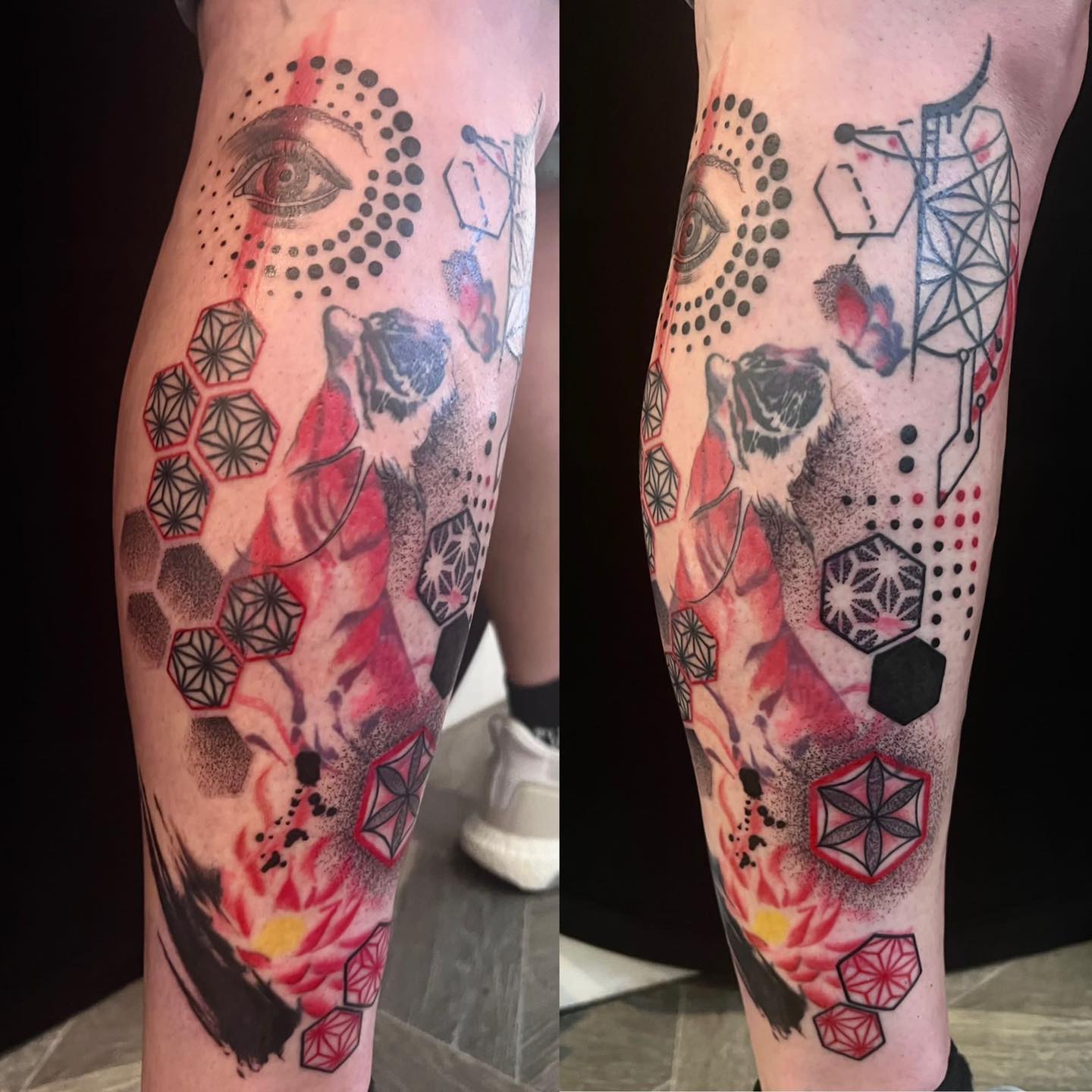
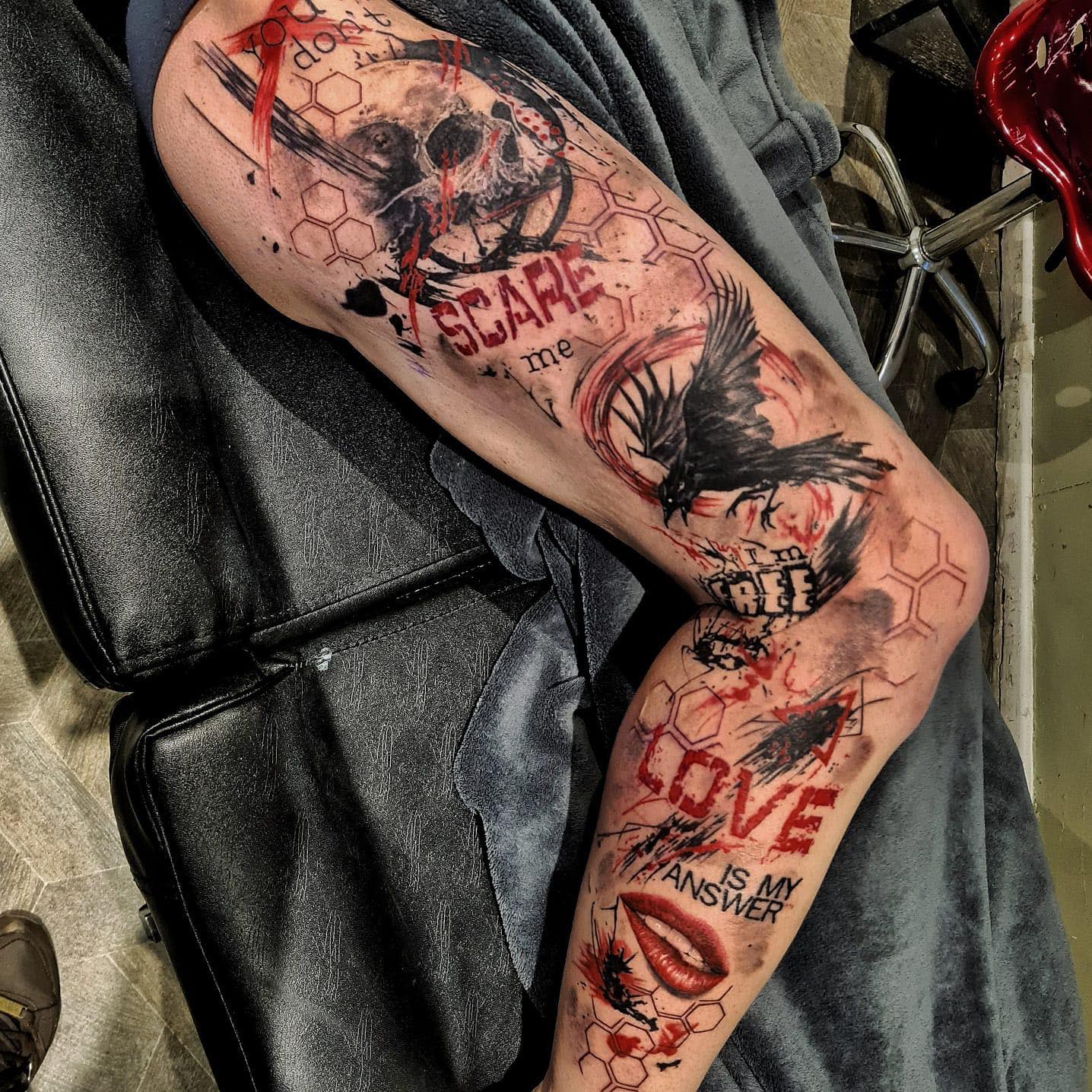
Trash Polka Tattoos are a distinctive and eye-catching style of tattoos that set themselves apart from traditional tattoo designs. These tattoos feature a combination of realistic and abstract elements, utilizing bold black lines, vibrant colors, and unconventional imagery to create visually striking compositions.
The defining characteristic of Trash Polka Tattoos is the unique juxtaposition of contrasting elements. This can include blending realistic images with abstract brush strokes, incorporating both text and imagery, or combining different styles such as photorealism and collage. The purpose of this fusion is to create a visually intense and thought-provoking piece of body art.
While Trash Polka Tattoos can vary in subject matter and theme, they often convey emotional or provocative messages. They can explore personal experiences, social issues, or abstract concepts. The vibrant colors used in these tattoos play a crucial role in enhancing their visual impact and expressing the intended emotions or ideas.
In addition to the use of vibrant colors, Trash Polka Tattoos heavily rely on the contrast between bold black lines and deep reds. This contrast creates a sense of depth and intensity in the design while adding to its overall visual appeal. By employing such color schemes, these tattoos make a bold statement that demands attention.
Trash Polka Tattoos are known for their longevity when properly cared for. Their intricate design details and high-quality ink ensure that they can withstand the test of time. However, it is important to follow proper aftercare instructions provided by professional tattoo artists to maintain the integrity of the tattoo over time.
Looking for a tattoo style that’s as unique as your personality? Trash Polka Tattoos are the perfect way to stand out in a sea of basic ink.
Elements and characteristics of Trash Polka Tattoos
Trash Polka Tattoos are a unique and eye-catching tattoo style that is sure to stand out. They are characterized by vibrant colors, bold black and red contrasts, and a distinct blend of realism and collage elements. These tattoos incorporate a wide range of motifs such as symbols, quotes, portraits, and abstract designs. The artists who specialize in Trash Polka Tattoos use a combination of techniques including brush strokes, splatters, smudges, and stencil-like shapes to create an intense and dynamic visual effect. The result is a tattoo that has both depth and complexity.
- Vibrant colors: One of the key elements of Trash Polka Tattoos is the use of vibrant colors. From electric blues to fiery oranges, these tattoos make use of bold and intense hues to create an impact.
- Black and red contrasts: Another characteristic feature of Trash Polka Tattoos is the contrast between black and red. These two colors are often used together to create a striking visual effect.
- Realism and collage elements: Trash Polka Tattoos combine realistic portraits or images with collage-style elements such as splatters, brush strokes, or text snippets.
- Motifs: Trash Polka Tattoos can feature a wide variety of motifs including symbols, quotes, animals, skulls, or abstract designs.
- Techniques: Artists specializing in Trash Polka Tattoos employ various techniques like brush strokes, smudges, splatters, stencils along with traditional tattoo techniques to create unique and visually stunning pieces.
In addition to these characteristics, Trash Polka Tattoos require skilled artists who can seamlessly blend different styles into one cohesive design. They push the boundaries of traditional tattooing techniques by incorporating unconventional elements such as mixed media collages or digital effects. The overall aesthetic created by Trash Polka Tattoos is often described as chaotic yet harmonious, with a sense of energy and movement.
In the true history of Trash Polka Tattoos, the style was developed in Germany by tattoo artists Simone Pfaff and Volko Merschky. They pioneered this unique style, drawing inspiration from their background in graphic design and fine art. Trash Polka Tattoos gained popularity for their bold and visually striking designs, attracting tattoo enthusiasts from around the world. Prepare to be visually assaulted with the vibrant colors of Trash Polka, like a rainbow on steroids.
The Colors of Trash Polka
When it comes to Trash Polka tattoos, the colors used in the design play a vital role in creating a visually captivating and impactful piece of art. The vibrant colors utilized in Trash Polka tattoos hold great significance in expressing emotions and making a statement.
On one hand, these tattoos make use of a wide range of hues to enhance the overall visual appeal, while on the other hand, the contrasting use of black and reds adds depth and intensity to the design. It’s truly fascinating how the colors come together to form a unique and striking composition in Trash Polka tattoos.
Importance of vibrant colors in Trash Polka Tattoos
Vibrant colors play a significant role in Trash Polka tattoos, as they are essential for creating the distinctive and eye-catching style that sets this tattoo art apart. The bold and vibrant colors used in Trash Polka tattoos add depth and dimension to the overall design, bringing it to life and making it visually striking.
By incorporating vibrant colors, Trash Polka artists are able to create dynamic and visually stunning tattoos that capture attention and leave a lasting impression. These colors help to enhance the expressiveness of the tattoo, bringing out emotions and themes that are portrayed through the imagery.
In addition to their visual impact, vibrant colors also contribute to the symbolism and meaning behind Trash Polka tattoos. The use of bold and intense hues can represent energy, passion, and vitality. They can also be used to evoke specific emotions or convey particular themes that hold personal significance to the individual getting the tattoo.
While black and red are commonly used as contrasting colors in Trash Polka tattoos, other vibrant shades such as blues, yellows, oranges, and greens can also be incorporated. This allows for a wide range of creative possibilities and ensures that each Trash Polka tattoo is unique and tailored to the individual’s preferences.
In summary, vibrant colors hold great importance in Trash Polka tattoos as they contribute to the distinct style of this tattoo art form. The use of bold hues not only adds visual appeal but also enhances symbolism and meaning within these tattoos.
Trash Polka tattoos prove that black and red are more than just the colors of a bruise, they’re the dynamic duo that make these designs pop like an angry pimple.
Use of black and reds for contrast in Trash Polka Tattoos
Trash Polka Tattoos stand out due to their unique use of black and reds for contrast. These contrasting colors create a visually striking effect, adding depth and intensity to the design. The combination of black and reds helps to highlight the different elements and characteristics of Trash Polka Tattoos, creating a bold and eye-catching aesthetic.
In addition to the vibrant colors, the use of black and reds in Trash Polka Tattoos also holds symbolic meaning. Black represents darkness, chaos, and struggle, while red symbolizes passion, power, and resilience. This juxtaposition of opposing elements adds a sense of tension and complexity to the tattoo design.
The use of black and reds for contrast in Trash Polka Tattoos adds an element of dynamic energy that draws attention to the artwork. The stark contrast between these two colors creates a strong visual impact that makes Trash Polka Tattoos truly stand out among other tattoo styles.
One example that showcases the effective use of black and reds for contrast is a Trash Polka Tattoo featuring intricate geometric patterns. The precise lines and shapes are emphasized by the stark contrast between the bold black lines and the vibrant red accents. This combination creates a captivating visual experience that captures the viewer’s attention.
Overall, Trash Polka Tattoos utilize the use of black and reds for contrast to create visually stunning designs with profound symbolism. The contrasting colors not only add depth and intensity but also contribute to making these tattoos truly unique works of art.
Trash Polka Tattoos: Answering your burning questions about placement, longevity, and significance with a touch of dark humor.
Frequently Asked Questions Surrounding Trash Polka Tattoos
Trash Polka tattoos have gained immense popularity in recent years, leaving many curious individuals with burning questions. Wondering about the best placement for Trash Polka tattoos? Curious if these tattoos will stand the test of time? Perhaps you’re eager to uncover the meaning behind this captivating tattoo style?
In this section, I’ll address all of your frequently asked questions surrounding Trash Polka tattoos. From ideal placements to longevity and symbolism, we’ll dive deep into the world of Trash Polka tattoos, providing you with the knowledge you seek. So, let’s get started, shall we?
Where is the Best Placement for Trash Polka Tattoos?
Trash Polka tattoos are unique and eye-catching tattoo styles that can be placed in various locations on the body. When deciding on the best placement for a Trash Polka tattoo, it is important to consider the individual’s preferences and the design itself.
- Upper Arm or Shoulder: One popular placement for Trash Polka tattoos is on the upper arm or shoulder. This area provides a large canvas for intricate designs and allows for easy visibility.
- Back: Another option is to place a Trash Polka tattoo on the back. This location offers a larger space for more elaborate designs and provides opportunities to incorporate different elements and themes.
- Leg: Trash Polka tattoos can also be placed on the leg, specifically the thigh or calf. This placement allows for both large and small designs, depending on personal preference.
- Chest or Side: For those looking for a bold statement piece, placing a Trash Polka tattoo on the chest or side can create a striking visual impact. This area allows for larger designs that can flow with the natural contours of the body.
When considering the best placement for Trash Polka tattoos, it is essential to consult with an experienced tattoo artist who specializes in this style. They can provide valuable insight and guidance based on their expertise, ensuring that the chosen placement enhances the overall aesthetics of the design.
Experimenting with different placements during consultation with an artist can help determine what works best for an individual’s unique vision and body shape, achieving an optimal outcome that showcases their Trash Polka tattoo in its full glory.
Trash Polka tattoos may fade over time, but their impact will last forever.
Will Trash Polka Tattoos Last?
Trash Polka Tattoos – Longevity of This Unique Tattoo Style
With a distinct and edgy aesthetic, Trash Polka Tattoos are a popular choice for those seeking an unforgettable piece of body art. When it comes to the question of whether Trash Polka Tattoos will last, the answer is a resounding yes.
These tattoos are designed to stand the test of time, both in terms of physical durability and enduring appeal. Crafted with high-quality pigments and expert techniques, Trash Polka Tattoos can maintain their vibrant colors for years to come. The use of black and red hues also works to create a striking contrast that adds depth and visual interest.
However, it’s important to note that the longevity of any tattoo depends on proper aftercare and maintenance. Following the advice of your tattoo artist and practicing good self-care can significantly extend the lifespan of your Trash Polka Tattoo.
In addition to maintaining vibrant colors, Trash Polka Tattoos also hold meaning for each individual who chooses this style. While their unique symbolism varies from person to person, these tattoos often represent themes such as rebellion, duality, transformation, or philosophical concepts. The combination of expressionist imagery and bold lettering further contributes to the impact and lasting significance of this artistic choice.
So, if you’re considering getting a Trash Polka Tattoo, rest assured that it will endure as a timeless piece on your skin. However, remember to prioritize proper aftercare and upkeep for optimal longevity.
Pro Tip: To ensure the long-lasting beauty of your Trash Polka Tattoo, protect it from excessive sun exposure by applying sunscreen regularly.
Trash Polka Tattoos may seem chaotic, but they actually have deep meaning behind the madness.
What’s the Meaning of Trash Polka Tattoos?
Text: Trash Polka Tattoos – Exploring the Deep Symbolism Behind This Unique Tattoo Style
Trash Polka Tattoos carry a distinct meaning that sets them apart from other tattoo styles. These tattoos are not only visually striking but also hold a deep symbolism. The artists behind Trash Polka Tattoos aim to create powerful and thought-provoking designs that resonate with the individual wearing it.
The meaning of Trash Polka Tattoos lies in their ability to tell a story or convey an emotion through a combination of contrasting elements. Black and red colors are prominently used in these tattoos to create a stark contrast, representing the duality of life – light and darkness, good and evil.
Additionally, Trash Polka Tattoos often feature fragmented or distressed imagery, giving them a raw and gritty feel. This reflects the imperfections and struggles we face in life, making these tattoos highly personal and reflective of one’s journey.
One unique aspect of Trash Polka Tattoos is that they blend different artistic styles together, such as realism and abstract art. This fusion allows for endless creative possibilities and enables individuals to express their individuality in a truly distinctive way.
Get inked by the masters of Trash Polka at Liverpool Tattoos and discover a world of twisted beauty under the needle.
Contact the Trash Polka Experts at Liverpool Tattoos
At Liverpool Tattoos, our team of experts is passionate about Trash Polka Tattoos. With their extensive knowledge and experience in this unique tattoo style, they can help bring your Trash Polka vision to life. In this section, we’ll provide you with valuable information about Liverpool Tattoos and their expertise in Trash Polka Tattoos. You’ll also learn how to schedule an appointment with our talented artists to begin your exciting journey into the world of Trash Polka Tattoos. So, let’s dive in and discover the artistry that awaits you at Liverpool Tattoos.
Information on Liverpool Tattoos and their expertise in Trash Polka Tattoos
Liverpool Tattoos is a esteemed establishment known for their mastery of Trash Polka Tattoos-The Art form. With years of experience, their artists create visually striking designs that stand out from the rest. The vibrant colors and contrasting black and reds are skillfully used to achieve a unique aesthetic. Their expertise in Trash Polka Tattoos has made them sought-after among tattoo enthusiasts. Booking an appointment with Liverpool Tattoos is the first step towards embarking on your Trash Polka journey. Trust their experts to provide you with a one-of-a-kind masterpiece that reflects your individual style and personality.
How to schedule an appointment and start your journey into Trash Polka Tattoos
Trash Polka Tattoos – How to Begin Your Journey into This Unique Tattoo Style
To schedule an appointment and start your journey into Trash Polka Tattoos, follow these steps:
- Research Liverpool Tattoos: Begin by researching Liverpool Tattoos and their expertise in Trash Polka Tattoos. Look for testimonials, reviews, and examples of their work to ensure they align with your artistic vision.
- Contact Liverpool Tattoos: Once you’re confident in their skills, reach out to Liverpool Tattoos to schedule an appointment. You can do this by calling their studio or sending them an email. Provide specific details about the design you have in mind and any preferences or ideas you may have.
- Consultation with the Artists: After scheduling your appointment, you will have a consultation with the artists at Liverpool Tattoos. This is a crucial step in the process as it allows you to discuss your design in detail, ask questions, and collaborate on creating a unique Trash Polka tattoo that represents your individuality.
- Start Your Journey: Once you’ve finalized the design and discussed all the necessary details with the artists, it’s time to begin your journey into Trash Polka Tattoos. Make sure to follow any instructions given by the artists regarding tattoo preparation and aftercare to ensure your tattoo turns out beautifully.
When scheduling an appointment and embarking on your journey into Trash Polka Tattoos, keep in mind that every experience is unique. Communicate openly with the artists at Liverpool Tattoos, trust their expertise, and enjoy the creative process.
Pro Tip: It’s essential to book your appointment well in advance to secure a spot with Liverpool Tattoos as they are renowned for their exceptional skills in Trash Polka Tattoos.
Five Facts About Trash Polka Tattoos:
- ✅ Trash polka tattoos emerged on the tattoo scene in the last 20 years.
- ✅ Trash polka tattoos mix realistic elements with abstract ideas for a chaotic yet unified look.
- ✅ Trash polka tattoos often feature a combination of realism, brush strokes, geometry, paint splatters, and patterns.
- ✅ Trash polka tattoos primarily use heavily saturated black and red colors to create an aggressive and chaotic feeling.
- ✅ Trash polka tattoos can evoke contrasting feelings like brutality versus passion and technology versus humanity.
FAQs about Trash Polka Tattoos
Where did the trash polka tattoo style originate?
The trash polka tattoo style originated in the last 20 years or so and has emerged as a unique and distinct style of tattooing.
What sets trash polka tattoos apart from other styles?
Trash polka tattoos stand out due to their intense contrast between one color and black and white, as well as the combination of realistic elements with more abstract ideas, creating a chaotic yet unified piece on the skin.
What colors are commonly utilized in the trash polka style?
The trash polka style primarily utilizes heavily saturated black and red colors. These colors create the aggressive and chaotic feeling that is characteristic of the style. Sometimes, blue is also used to add contrast to certain elements.
Where is the best placement for trash polka tattoos?
Trash polka tattoos require a large canvas size due to the extreme detail and accompanying typewriter-style font. Ideal placements for trash polka tattoos include the chest for a flat canvas or a full or half sleeve, as smaller areas may struggle to support the level of detail.
Do trash polka tattoos last forever?
While the red and black colors commonly used in trash polka tattoos are known to last in other tattoo styles, the lack of solid black outlines and exposure to UV rays can cause shapes to blur over time. As a result, trash polka tattoos may not retain their brilliance indefinitely.
What emotions and meanings can be associated with trash polka tattoos?
The meaning of a trash polka tattoo ultimately depends on the individual, but these designs can evoke feelings of brutality versus passion, technology versus humanity, and the passage of time. The aggressive and saturated red and black color palette is often associated with trash polka tattoos, although not all designs are meant to convey negative or aggressive emotions.

Josh Morley
Josh Morley is a seasoned digital marketer and tattoo enthusiast, known for his impactful work in the tattoo industry over the last five years. His expertise has significantly boosted the digital presence of numerous local tattoo studios in the UK and USA, as well as major tattoo publications. Combining his passion for tattoo art with his digital marketing acumen, Josh's contributions have not only elevated the profiles of his clients but also enriched the broader tattoo community with his insightful and authentic approach.