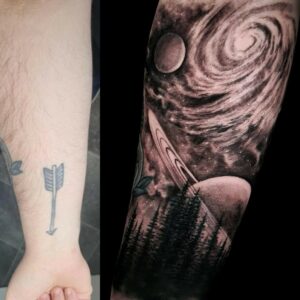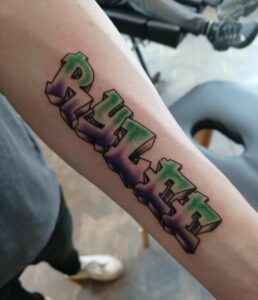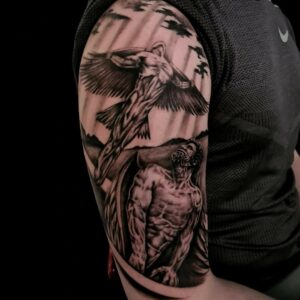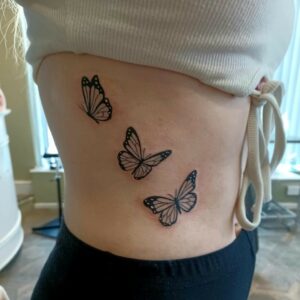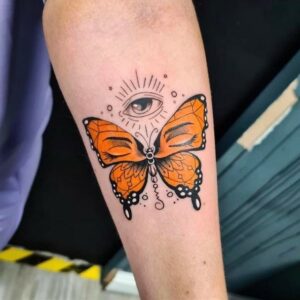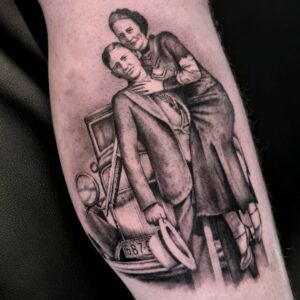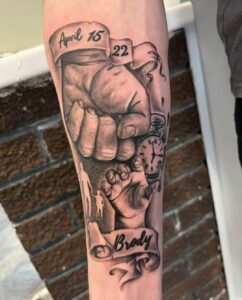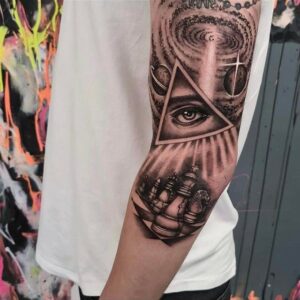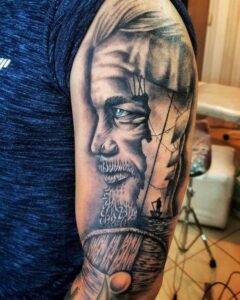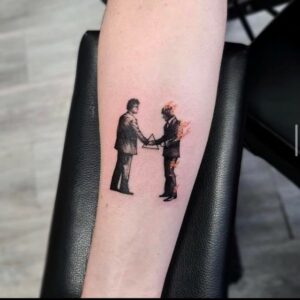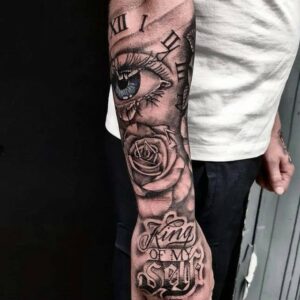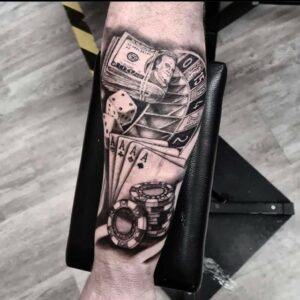
A patchwork tattoo is a type of tattoo that combines multiple styles, motifs, and personal stories into one cohesive design. Unlike traditional tattoos that typically follow a single theme, patchwork tattoos resemble a curated collage, blending abstract shapes, symbolic imagery, and fine details to create a unique and personalized piece. This style allows tattoo enthusiasts to express their individuality while experimenting with a mix of bold and subtle elements, resulting in a visually striking and deeply meaningful tattoo.
For artists, creating patchwork tattoos requires careful planning to balance different styles and maintain harmony across the skin. Techniques like fine-line detailing can enhance these designs, adding depth and precision without overcrowding the tattoo. For inspiration on how delicate line work can complement complex designs, check out fine-line tattoos. With thoughtful design and execution, patchwork tattoos can become visually stunning pieces that tell a personal story while standing out as a work of art.
Patchwork Tattoos: Origins, Evolution, and Modern Design Trends

Patchwork tattoos have emerged as one of the most creative and versatile trends in modern tattooing. Unlike traditional tattoos that often follow a single style or theme, patchwork tattoos blend multiple styles — from traditional and geometric to realistic, abstract, and minimalist — into one cohesive composition. This approach allows wearers to tell a personal story, mixing meaningful symbols, artistic elements, and unique motifs in a single piece. The result is a dynamic, collage-like tattoo that is both visually striking and deeply personal.
Why Patchwork Tattoos Stand Out
- Unique expression: Each tattoo is custom-designed to reflect the wearer’s personality and experiences.
- Versatility: Combines multiple styles — traditional, geometric, realistic, abstract, and minimalist — in one piece.
- Creative freedom for artists: Offers opportunities for experimentation with layering, negative space, and contrasting techniques.
The origins of patchwork tattoos trace back to experimental tattoo communities, where artists began exploring ways to combine styles and motifs on a single canvas. Over time, these designs evolved into more polished and intentional works of art, maintaining harmony while allowing eclectic combinations. Today, patchwork tattoos appeal to those seeking something unconventional, bold, and meaningful.
Factors Driving the Popularity Today
- Social media influence: Platforms like Instagram and TikTok showcase intricate patchwork designs to a wide audience, inspiring clients worldwide.
- Personal storytelling: Wearers can incorporate multiple elements that represent their life, experiences, or values.
- Trend among enthusiasts: Patchwork tattoos are particularly popular for those who want a tattoo that is both unique and visually complex.
What makes patchwork tattoos truly special is their adaptability. Artists can mix bold traditional designs with delicate fine-line symbols, abstract shapes, or geometric patterns, all in a single tattoo. The style allows clients to express multiple aspects of their identity, creating a piece that is as meaningful as it is eye-catching.
Understanding the Unique Challenges of Patchwork Tattoos

Patchwork tattoos are visually striking, but creating them is far from simple. Unlike traditional single-style tattoos, patchwork designs combine multiple motifs, styles, and elements into one cohesive piece. This requires advanced planning, precise execution, and an eye for balance. Both artists and clients must understand the technical and creative challenges involved to ensure a successful and long-lasting tattoo.
Technical Challenges in Patchwork Tattoos
Creating a harmonious patchwork tattoo involves addressing several technical considerations:
- Spacing and composition: Each element must be carefully placed to avoid overcrowding. Poor spacing can make the tattoo appear chaotic and reduce legibility.
- Line consistency: Maintaining clean, consistent lines across different styles is critical, especially when combining fine-line work with bold, neo-traditional designs. For examples of how bold and detailed elements can blend seamlessly, check out neo-traditional tattoos.
- Balancing different styles: Integrating abstract, geometric, traditional, or realistic elements requires artistic skill to maintain harmony without losing individual design integrity.
- Color blending and contrast: Proper use of color ensures that each segment stands out while contributing to the overall visual impact. Overlapping or clashing colors can diminish the tattoo’s clarity.
Importance of Skin Placement
The placement of a patchwork tattoo on the body significantly affects how the design looks and ages:
- Body curves and movement: Areas with natural curves, such as shoulders, arms, or ribs, require adjustments to prevent distortion.
- High-movement areas: Tattoos on joints or hands may fade or blur faster due to stretching, requiring extra consideration in design and technique.
- Surface area limitations: Smaller areas demand careful planning to ensure each element is visible and the overall composition remains balanced.
Managing Client Expectations
Patchwork tattoos often involve larger, more complex designs, so clear communication is essential:
- Size and complexity: Clients should understand that bigger, detailed designs may require multiple sessions.
- Touch-ups: Because of the mix of styles and placement challenges, patchwork tattoos may need touch-ups to maintain sharpness and vibrancy over time.
- Long-term care: Clients should be informed about proper aftercare, including sun protection, moisturizing, and avoiding friction, to prolong the life of the tattoo.
Popular Patchwork Tattoo Styles and Designs


Patchwork tattoos offer endless possibilities for artistic expression. By combining different styles, motifs, and techniques, each tattoo becomes a personal narrative and a visually compelling piece of art. The following categories explore some of the most popular patchwork tattoo styles, with examples, inspiration, and tips for both artists and clients.
a. Geometric Patchwork Tattoos
Geometric patchwork tattoos blend abstract shapes with structured patterns, creating balance and harmony. These designs often include triangles, circles, squares, and polygons, sometimes combined with realistic elements for added depth.
- Popular elements: Triangles, hexagons, concentric circles, intersecting lines.
- Design approach: Symmetry and repetition help unify the composition, even when integrating other styles.
- Why it works: Geometric tattoos are visually clean, making them ideal for patchwork designs that require precision and structure.
- Artist tip: Pair geometric shapes with subtle shading or fine-line details to highlight depth without overcrowding the tattoo.
b. Nature-Inspired Patchwork Tattoos
Nature-inspired patchwork tattoos bring organic beauty and life into a tattoo design. These often mix realism with illustrative or abstract segments, creating a dynamic visual story.
- Popular elements: Flowers, leaves, waves, mountains, animals, and landscapes.
- Design approach: Layer realistic elements with abstract or geometric shapes to create visual contrast.
- Meaning and appeal: These tattoos can symbolize growth, freedom, connection to nature, or personal milestones.
- Artist tip: Use negative space strategically to let each element breathe and maintain clarity.
c. Cultural and Symbolic Patchwork Tattoos
Cultural and symbolic patchwork tattoos allow clients to celebrate heritage, spirituality, and personal beliefs. By combining tribal patterns, mandalas, or other spiritual symbols, the tattoo becomes both visually engaging and deeply meaningful.
- Popular elements: Polynesian or Maori tribal patterns, mandalas, spiritual symbols like Om or cross motifs.
- Design approach: Layering different cultural elements while maintaining symmetry or flow ensures a cohesive overall piece.
- Meaning and appeal: These tattoos can reflect personal values, cultural identity, or spiritual journeys.
- Artist tip: Careful planning is essential to balance multiple symbolic elements without overwhelming the design.
d. Minimalist Patchwork Tattoos
Minimalist patchwork tattoos focus on subtlety, using simple shapes, dots, and line work to create understated yet visually interesting designs. This style is perfect for clients who prefer smaller, discreet tattoos.
- Popular elements: Small triangles, dots, thin lines, tiny symbols.
- Design approach: Combine multiple minimalist elements in a structured layout to create a cohesive composition.
- Why it works: Minimalist patchwork tattoos are subtle, elegant, and suitable for visible areas like fingers, wrists, or behind the ear.
- Artist tip: For extra depth, consider pairing minimalist elements with dot-work tattoos — these small, precise dots can add texture and dimension without cluttering the design. Learn more about dot-work techniques.
e. Colorful vs. Black & Grey Patchwork Tattoos
Choosing between vibrant colors and monochrome black & grey is a key decision in patchwork tattoo design. Both approaches have unique advantages depending on style, placement, and desired impact.
- Black & Grey:
- Offers timeless elegance and high contrast.
- Works well with realistic, tribal, or geometric segments.
- Easier to maintain over time, as color fading is less noticeable.
- Colorful Tattoos:
- Creates a bold, eye-catching aesthetic.
- Ideal for nature-inspired or illustrative elements.
- Requires careful palette selection to prevent clashing and maintain harmony across segments.
- Tips for mixing palettes:
- Maintain consistency in saturation or brightness across colors.
- Use black outlines to unify colored and monochrome elements.
- Test small sections of color first to ensure the overall composition remains balanced.
Placement Ideas for Patchwork Tattoos


Choosing the right placement is one of the most important decisions when it comes to patchwork tattoos. Because patchwork designs often combine multiple styles, motifs, and elements, the placement not only affects the visual impact but also how the tattoo interacts with the body’s natural curves and movement. Proper planning ensures that each element remains visible, cohesive, and aesthetically balanced.
Best Body Parts for Patchwork Tattoos
Certain areas of the body are particularly well-suited for patchwork designs due to their larger canvases or ability to accommodate complex compositions:
- Arms: Full sleeves or half-sleeves provide a continuous surface, ideal for combining geometric shapes, nature-inspired elements, and cultural symbols.
- Legs: Thighs and calves offer ample space for expansive designs and allow for modular additions over time.
- Back: The broad, flat surface of the back is perfect for large patchwork tattoos, giving artists freedom to incorporate detailed elements without distortion.
- Chest: Works well for symmetrical patchwork designs, such as mirrored motifs or layered symbols.
- Ribs: Although slightly curved and sensitive, ribs are ideal for elongated or flowing patchwork designs, particularly abstract or minimalist patterns.
Consider Curvature and Movement
When placing a patchwork tattoo, it’s important to account for how the skin moves:
- Body curves: Natural curves can distort certain designs if not carefully planned.
- High-movement areas: Areas like elbows, knees, and shoulders may experience more wear, which can affect longevity and clarity.
- Integration: Thoughtful alignment ensures that elements like geometric shapes, floral motifs, or lettering flow naturally with the body.
Full and Half-Sleeves as Patchwork Canvases
Full and half-sleeves are extremely popular for patchwork tattoos because they allow for a combination of styles without crowding the design:
- Full sleeves: Can incorporate multiple motifs, from abstract shapes to realistic illustrations, creating a continuous story.
- Half-sleeves: Offer flexibility for clients who want an impactful design without committing to a full arm.
- Layering potential: Both sleeve types are perfect for modular designs, where additional elements can be added over time.
Tips for Modular Patchwork Tattoos
Some clients prefer to build their patchwork tattoos gradually. To make modular designs successful:
- Plan for cohesion: Ensure each new element complements existing designs in style, scale, and color.
- Maintain spacing: Leave enough negative space between elements for future additions.
- Consider focal points: Identify key areas where new motifs can be added without disrupting the original composition.
- Start with smaller pieces: Begin with elements that can easily be expanded into larger compositions later.
Patchwork tattoos offer immense creative freedom, but their success depends on strategic placement. Properly chosen locations enhance visibility, accommodate body movement, and allow for future expansion. For inspiration on incorporating smaller, precise elements like finger or hand motifs into your patchwork design, explore top finger tattoo ideas, which can also be integrated into larger compositions.
Tips for Tattoo Artists Creating Patchwork Tattoos
Patchwork tattoos are some of the most rewarding yet challenging designs for tattoo artists. They demand not only technical skill but also creativity, planning, and a deep understanding of composition. Successfully executing a patchwork tattoo requires balancing multiple styles, motifs, and techniques while maintaining harmony and clarity.
Planning the Overall Composition
Careful planning is the foundation of a successful patchwork tattoo. Before starting, consider the following:
- Balance different styles: Determine how traditional, geometric, realistic, or abstract elements will coexist without competing for attention.
- Shapes and flow: Map out the design to complement the natural curves of the body. Flow and spacing are key to creating a cohesive piece.
- Color coordination: Decide on color palettes early, ensuring each section complements the others while maintaining contrast where needed.
Planning helps prevent overcrowding and ensures that each element has room to shine, making the tattoo visually striking and long-lasting.
Tools and Techniques for Fine Details
Patchwork tattoos often combine intricate line work, shading, and small details. Artists should:
- Use fine needles for detail: Essential for geometric patterns, minimalist symbols, and delicate elements.
- Master shading techniques: Gradients and dotwork can add depth without overpowering the overall composition.
- Pay attention to line consistency: Clean, uniform lines are critical when blending multiple styles in one tattoo.
Consistent technique ensures that the piece remains sharp and harmonious over time.
Stenciling and Layering
Precise placement is crucial for patchwork tattoos, especially when adding multiple elements in one session or over time:
- Stenciling: Helps map out each element accurately on the skin.
- Layering: Plan which sections will go first and which will be added later, ensuring that overlaps and spacing are intentional.
- Test alignment: Check symmetry and flow on the body before committing to ink.
This structured approach reduces errors and ensures the final piece looks balanced from every angle.
Communicating with Clients
Clear communication with clients is vital when creating complex patchwork tattoos:
- Discuss complexity and size: Set realistic expectations regarding the time, number of sessions, and effort required.
- Talk about maintenance: Explain potential fading, touch-ups, and aftercare, particularly for areas exposed to friction or sunlight.
- Incorporate personal meaning: Encourage clients to provide input while guiding them toward a design that works aesthetically.
Proper communication helps clients feel confident about their tattoo and ensures the artist-client collaboration is smooth.
Using References and Custom Artwork
To make each patchwork tattoo truly unique:
- Gather references: Use inspiration from nature, geometry, cultural symbols, or personal motifs.
- Create custom artwork: Sketch or digitally design elements to ensure they fit together cohesively.
- Adapt to body placement: Adjust each component to suit the client’s anatomy, ensuring a flowing and visually appealing design.
Patchwork tattoos combine creativity, technical skill, and planning. By carefully designing the composition, mastering fine details, using stencils and layers, communicating clearly with clients, and creating custom artwork, tattoo artists can execute intricate, harmonious, and memorable patchwork tattoos. With attention to detail and thoughtful planning, these complex designs become stunning works of body art that clients will treasure for years.